

Monday, February 2, 2026 • 8:30 am – 2:45 pm
Monterey County Office of Education
DOWNLOAD FLYER
AGENDA
07:30 am – 1:00 pm…….Registration Check-in
07:30 am – 8:30 am…….Breakfast/Exhibitor Viewing
08:30 am – 9:15 am……..General Session
09:00 am – 9:45 am…….Exhibitor Viewing/Break
09:45 am – 10:30 am……First Session
10:45 am – 11:30 am……..Second Session
11:30 am – 12:00 pm……..Exhibitor Viewing
12:00 pm – 12:45 pm…….Lunch
01:00 pm – 1:45 pm……..Third Session
02:00 pm – 2:45 pm……Closing Session
REGISTRATION INFORMATION
- Target Audience: Community School Coordinators, Administrators, and Support Saff
- Registration: $250
(Lunch included) - Registration Deadline:
January 16, 2026
For questions or inquiries, please get in touch with our registration team at customerservice@gocabe.org.
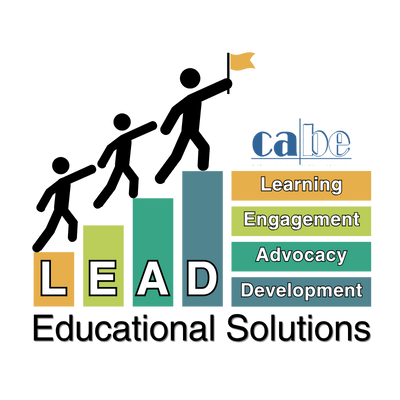
LEADing with the Collective Strengths of Educators, Families, Students, and Communities for Transformative Impact
The CABE Community Schools conference is a one-day, action-centered learning experience designed to equip district and site leaders with the tools, mindsets, and partnerships needed to cultivate thriving Community Schools.
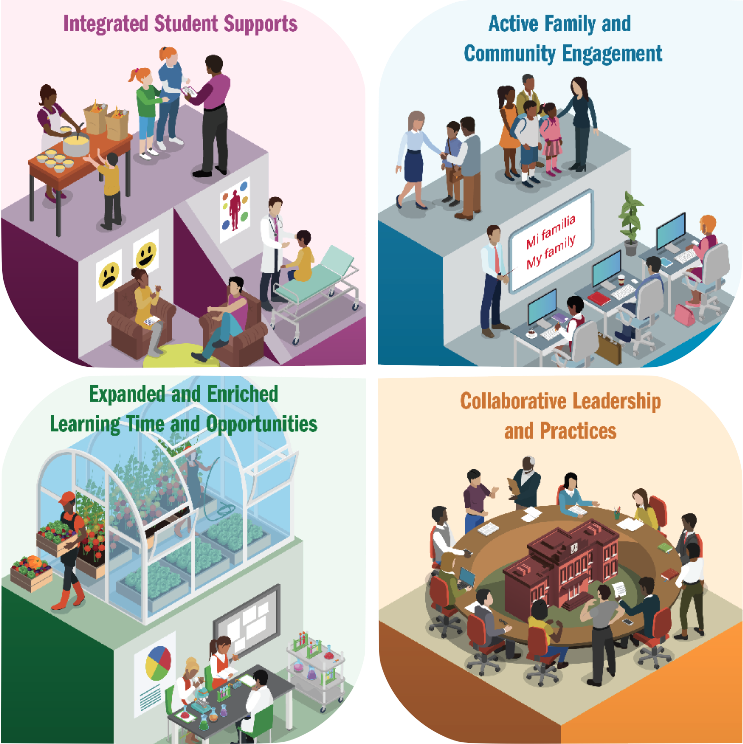
Grounded in understanding the Roots of our community, Equity in Action, Co-Created Innovations, and Sustainable Transformation, each session connects theory to practice, supporting the four goals of the California Community Schools Framework:
Pillar 1: Integrated Student Supports
Pillar 2: Expanded and Enriched Learning Time and Opportunities
Pillar 3: Active Family and Community Engagement
Pillar 4: Collaborative Leadership and Practices
List of Workshops
Workshops do not need to be preselected.
| Title of Workshop | Description |
|---|---|
|
Rooted Partnerships: Identifying Community Assets & Funds of Knowledge |
This session centers community culture, language, and lived experience as the foundation of effective partnerships. Participants learn how to identify and leverage families’ and community organizations’ funds of knowledge through asset mapping, listening sessions, and dialogue protocols. Leaders will explore how grounding partnerships in local strengths creates more relevant learning opportunities, strengthens trust, and ensures community-based learning reflects the identities and aspirations of students and families. |
|
From Voice to Influence: Designing Shared Decision-Making Structures |
This session focuses on moving beyond advisory input toward authentic shared decision-making. Participants examine governance structures, advisory councils, and leadership teams to assess how family and community voice translates into influence over priorities, policies, and practices. |
|
Innovation Through Partnership: Co-Creating Solutions to Community-Identified Needs |
Participants learn how to center community-identified challenges as the starting point for innovation. This session explores how partnerships can generate responsive academic, social, and wellness solutions through collaborative inquiry, prototyping, and feedback. |
|
Building Leadership Pipelines for Partnership Sustainability |
This session examines how leadership development and succession planning support sustainable community-based partnerships. Participants explore strategies for cultivating shared leadership among administrators, educators, families, and community partners. |
|
Building Psychological Safety & Trust Across Difference |
This session treats trust as a system condition rather than an individual trait. Participants explore how historical relationships, language dominance, and institutional power shape family engagement and learn relational repair strategies that rebuild trust across difference. |
|
From Deficit Narratives to Equity-Centered Engagement |
Participants examine how deficit beliefs shape engagement practices and outcomes. The session emphasizes shifting responsibility to systems by identifying and dismantling policies and assumptions that create inequitable engagement. |
|
From Transactional Engagement to Co-Creation |
Participants redesign engagement structures using participatory design processes that redistribute power, clarify roles, and establish shared accountability between families and schools. |
|
Building Engagement That Survives Turnover & Change |
Participants explore strategies that ensure family engagement remains strong despite leadership changes, staff turnover, or shifting policy contexts. |
|
Reframing Leadership: From Authority to Shared Power |
Rethink leadership as a practice of shared power that centers community decision-making. Participants examine how traditional leadership concentrates authority and explore how Community Schools require leaders to intentionally redistribute power. Through reflection and power mapping, leaders identify concrete opportunities to shift decision-making to families and community partners. |
|
Interrupting Bias in Leadership Decisions |
Address how bias shapes leadership decisions and outcomes. This session supports leaders in recognizing how implicit bias and deficit narratives influence decisions. Participants practice equity pauses and structured reflection to interrupt bias in real time. |
|
Shared Decision-Making in Practice: Models & Tools |
Turn shared decision-making from theory into daily practice. Leaders practice concrete tools for shared governance, navigating disagreement, and ensuring collective accountability in decision-making processes. |